
Plugging an electric vehicle into a standard wall outlet delivers barely four miles of driving range per hour of plug-in time, while upgrading to a dedicated charging station drastically reduces battery replenishment time. However, EV chargers require professional installation and care to ensure they’re working as they should, which is why we invite you to reach out to us at Weatherford Electric if you’re considering adding one to your home.
Evaluating Panel Capacity First
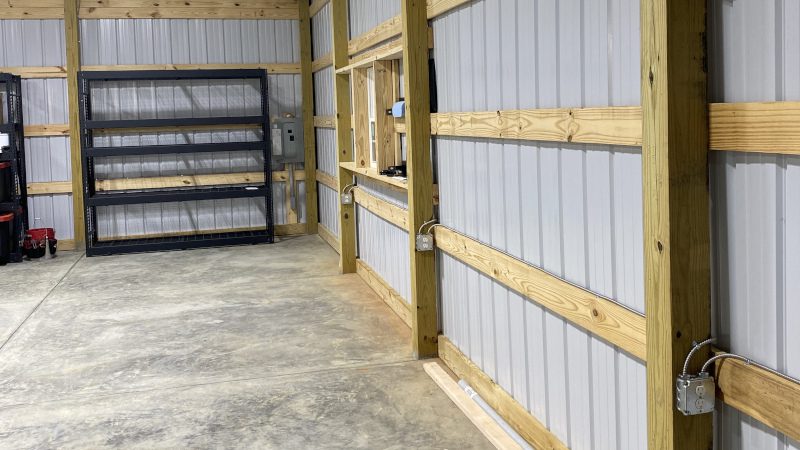
EV chargers draw heavy continuous power, usually requiring a dedicated 240-volt circuit running between 40 and 50 amps. Your breaker box needs physical space for a new double-pole breaker and sufficient electrical headroom to support that heavy draw alongside your central air system, water heater, and kitchen appliances.
Placement Shapes Daily Convenience
Where you mount the charging unit matters just as much as electrical panel capacity. Cable length, vehicle port placement, and parking orientation determine where EV chargers should be placed to avoid stretching cords or blocking walkways.
Upgrading Home Wiring Safely
Installing high-power EV chargers involves running heavy-gauge copper conductors directly from the main service panel to the wall station. Correct wire gauge selection prevents dangerous heat buildup inside conduit lines during extended overnight power transfers.
For homeowners in our area, getting the setup right provides reliable morning commutes without tripping main breakers or damaging sensitive vehicle electronics. We can inspect your garage layout and calculate your current panel load to plan a clean, safe installation.
Schedule a consultation today to learn more.